Thursday, November 28, 2013

EMBROMATION (JOEL SANTANA)


Joel ataca novamente com seu embromation

O técnico Joel Santana está de volta em nova campanha do xampu Head & Shoulders do grupo P&G(Procter & Gamble) criado pela agência África. Se você está lembrado, ele já apareceu por aqui comocantor de rap e até mesmo junto com as joelzetes para mostrar a importância real de combater a caspa.


Usando o seu inglês "embromation" moleque de raiz quando ainda treinava a seleção da África do Sul, o técnico desta vez resolveu convidar o Pelé e o ex-goleiro Marcos para mostrarem de forma descontraída a eficácia do xampu, além de promover o lançamento da nova embalagem do produto em homenagem ao eterno camisa 10 da seleção brasileira.

Ora, associar a imagem do rei do futebol é um baita tiro no pé, "anderistendi"? O Pelé já teve o seu momento fazendo diversas propagandas, mas sua reputação caiu bastante depois das manifestações que ocorreram em junho deste ano e como há pouca informação nos meios de comunicação sobre as injustiças que realmente estavam acontecendo com o povo brasileiro, resolvemos colocar um documentário sobre o cenário da Copa do Mundo e as Olimpíadas.

Talvez você esteja lembrado do seu discurso para a Rede Globo, onde o Pelé dizia para as pessoas não confundirem as coisas e apoiar a seleção brasileira, com o intuito de usar a mídia para tentar reverter à imagem negativa que estava ocorrendo durante as manifestações, onde um simples aumento na taxa de transporte público acabou desencadeando uma revolta para outros diversos problemas no país. Se houve uma manobra política não sabemos, pois o que está em jogo além do caráter é o nosso país, e que apesar de estar no segundo tempo, podemos virar este placar. Ah sim, o brasileiro é um povo alegre e não bobo.


DEIXA QUE EU CHUTO!


O cenário da Copa do Mundo e as Olimpíadas


A Copa do Mundo em 2014 e as Olimpíadas em 2016 estão chegando ao Brasil e há pouca informação nos meios de comunicação sobre o que realmente está acontecendo. Sendo assim, bilhões de nossos cofres públicos estão sendo investidos em nosso país e não sabemos para onde está indo todo esse dinheiro.
Diante de um tema bastante atual que estamos vivenciando, este documentário independente tem como objetivo mostrar que há muita sujeira sendo investigada e as injustiças que estão sendo cometidas contra o povo brasileiro. Comunidades foram reconhecidas como algumas das mais afetadas pela especulação imobiliária, um fenômeno no qual os preços da habitação estão a aumentar devido à preparação para os principais eventos mundiais a serem hospedados no Rio: a Copa do Mundo e Olimpíadas.

É evidente que uma grande soma deste dinheiro virá dos bolsos dos contribuintes, para serem usados apenas para o ganho financeiro de um pequeno grupo de empreiteiros, políticos, donos de bancos e empresários envolvidos nesses eventos.

O legado para o benefício da maioria da população será mínimo. E o pior de tudo, muitos moradores destas comunidades estão sendo removidas ilegalmente e transferidos para bairros distantes que carecem de infraestrutura e são dominados por uma milícia fortemente armada. E então, se pergunta: Onde ficam osdireitos humanos básicos de todos os seres humanos? Quem ganha com esse jogo? Conscientize-se!


CASPA IS NOT BACANA (JOEL SANTANA)

Comunique9: Joel Santana se transforma em cantor de rap

Joel Santana se transforma em cantor de rap

Com mais de 20 milhões de visualizações em sua última campanha "Donti Révi Caspa", o xampu anticaspa Head&Shoulders, da P&G tenta emplacar novamente a boa fase neste novo comercial bem-humorado intitulado "Singing in the Chuveration" com o técnico de futebol Joel Santana criada pela agência Africa.


O técnico que virou motivo de piada por não saber pronunciar muito bem o inglês e que está sem nenhum clube desde que deixou o Bahia, em maio deste ano, parece cada vez mais estar conseguindo explorar financeiramente o lado de garoto propaganda. É como diz o ditado: Há males que vem para o bem.

Dando continuidade a campanha anterior, o comercial tem o objetivo de ensinar de maneira descontraída como se deve falar a pronúncia correta do nome da marca de origem inglesa. Bom, agora é esperar pra ver como anda a aceitação do público, pois repetir a mesma piada duas vezes não costuma ter muita graça. Confira o mais recente comercial no vídeo abaixo.


Joel Santana retorna com o seu velho inglês

A nova campanha "Donti Révi Caspa" criada pela agência África mostra o treinador dando uma aula para destacar as propriedades do produto, usando o quadro da Mona Lisa como recurso visual. Talvez você ainda esteja lembrado da campanha "Pode to be?" da Pepsi, com a participação do técnico Joel Santana.


Em pensar que tudo começou no final de 2009, quando o Joel Santana ainda exercia a função de técnico da seleção da África do Sul. Parecia que estava tudo ocorrendo tranquilamente, até que ao final da partida ele resolve dar uma entrevista para uma imprensa estrangeira usando o seu "inglês de raiz", e a partir disso, o técnico virou motivo de piada.

Pois bem, o sucesso dele na internet foi tanto que agora ele está retornando novamente para estrear em outro comercial, só que agora como garoto propaganda junto com as "joelzetes" para promover a marca de xampu anticaspa Head & Shoulders pertencente ao grupo P&G (Procter & Gamble).
 
De acordo com o próprio treinador, o produto "rimouve uarandredi porcenti ofi the caspa". Você acredita nisso? No vídeo abaixo é possível conferir o novo comercial.


COMO É FÁCIL ENGANAR OS FIÉIS!

NÃO É O SEU DINHEIRO, QUE TIRA O SEU PECADO!
Pastor mostra como é facil enganar os fieis

Monday, November 18, 2013

10 American Foods that are Banned in Other Countries

Americans are slowly waking up to the sad fact that much of the food sold in the US is far inferior to the same foods sold in other nations. In fact, many of the foods you eat are BANNED in other countries.

Here, I’ll review 10 American foods that are banned elsewhere, which were featured in a recent MSN article. 1

Seeing how the overall health of Americans is so much lower than other industrialized countries, you can’t help but wonder whether toxic foods such as these might play a role in our skyrocketing disease rates.

#1: Farm-Raised Salmon

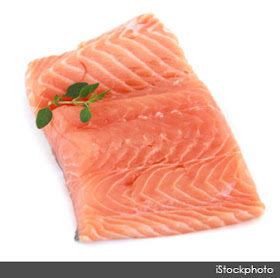
Farmed Raised Salmon - 10 American Foods that are Banned in Other CountriesIf you want to maximize health benefits from fish, you want to steer clear of farmed fish, particularly farmed salmon fed dangerous chemicals. Wild salmon gets its bright pinkish-red color from natural carotenoids in their diet. Farmed salmon, on the other hand, are raised on a wholly unnatural diet of grains (including genetically engineered varieties), plus a concoction of antibiotics and other drugs and chemicals not shown to be safe for humans.

This diet leaves the fish with unappetizing grayish flesh so to compensate, they’re fed synthetic astaxanthin made from petrochemicals, which has not been approved for human consumption and has well known toxicities. According to the featured article, some studies suggest it can potentially damage your eyesight. More details are available in yesterday’s article.

Where it’s banned: Australia and New Zealand

How can you tell whether a salmon is wild or farm-raised? The flesh of wild sockeye salmon is bright red, courtesy of its natural astaxanthin content. It’s also very lean, so the fat marks, those white stripes you see in the meat, are very thin. If the fish is pale pink with wide fat marks, the salmon is farmed.

Avoid Atlantic salmon, as typically salmon labeled “Atlantic Salmon” currently comes from fish farms. The two designations you want to look for are: “Alaskan salmon,” and “sockeye salmon,” as Alaskan sockeye is not allowed to be farmed. Please realize that the vast majority of all salmon sold in restaurants is farm raised.

So canned salmon labeled “Alaskan Salmon” is a good bet, and if you find sockeye salmon, it’s bound to be wild. Again, you can tell sockeye salmon from other salmon by its color; its flesh is bright red opposed to pink, courtesy of its superior astaxanthin content. Sockeye salmon actually has one of the highest concentrations of astaxanthin of any food.

#2: Genetically Engineered Papaya

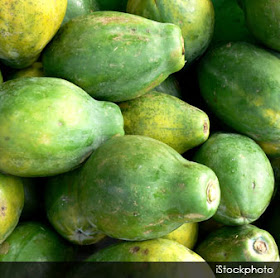
Genetically Engineered Papaya - 10 American Foods that are Banned in Other CountriesMost Hawaiian papaya is now genetically engineered to be resistant to ringspot virus. Mounting research now shows that animals fed genetically engineered foods, such as corn and soy, suffer a wide range of maladies, including intestinal damage,multiple-organ damage, massive tumors,birth defects, premature death, and near complete sterility by the third generation of offspring. Unfortunately, the gigantic human lab experiment is only about 10 years old, so we are likely decades away from tabulating the human casualties.

Where it’s banned: The European Union

Unfortunately, it’s clear that the US government is not in a position to make reasonable and responsible decisions related to genetically engineered foods at this point, when you consider the fact that the Obama administration has placed former Monsanto attorney and Vice President, Michael Taylor, in charge of US food safety, and serious conflicts of interest even reign supreme within the US Supreme Court! That’s right. Supreme Court Justice Clarence Thomas is also a former Monsanto attorney, but refuses to acknowledge any conflict of interest.

#3: Ractopamine-Tainted Meat

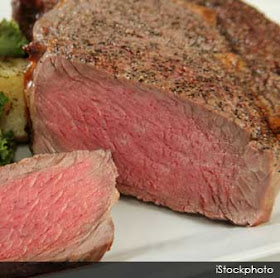
Ractopamine -Tainted Meat - 10 American Foods that are Banned in Other CountriesThe beta agonist drug ractopamine (a repartitioning agent that increases protein synthesis) was recruited for livestock use when researchers found that the drug, used in asthma, made mice more muscular. This reduces the overall fat content of the meat. Ractopamine is currently used in about 45 percent of US pigs, 30 percent of ration-fed cattle, and an unknown percentage of turkeys are pumped full of this drug in the days leading up to slaughter. Up to 20 percent of ractopamine remains in the meat you buy from the supermarket, according to veterinarian Michael W. Fox.

Since 1998, more than 1,700 people have been “poisoned” from eating pigs fed the drug, and ractopamine is banned from use in food animals in no less than 160 different countries due to its harmful health effects! Effective February 11, 2013, Russia issued a ban on US meat imports, slated to last until the US agrees to certify that the meat is ractopamine-free. At present, the US does not even test for the presence of this drug in meats sold. In animals, ractopamine is linked to reductions in reproductive function, increase of mastitis in dairy herds, and increased death and disability. It’s also known to affect the human cardiovascular system, and is thought to be responsible for hyperactivity, and may cause chromosomal abnormalities and behavioral changes.

Where it’s banned: 160 countries across Europe, Russia, mainland China and Republic of China (Taiwan)

#4: Flame Retardant Drinks

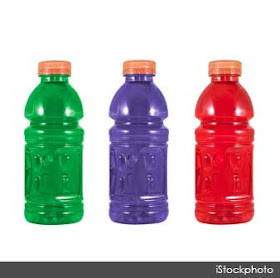
Flame Retardant Drinks - 10 American Foods that are Banned in Other CountriesIf you live in the US and drink Mountain Dew and some other citrus-flavored sodas and sports drinks, then you are also getting a dose of a synthetic chemical called brominated vegetable oil (BVO), which was originally patented by chemical companies as a flame retardant.

BVO has been shown to bioaccumulate in human tissue and breast milk, and animal studies have found it causes reproductive and behavioral problems in large doses. Bromine is a central nervous system depressant, and a common endocrine disruptor. It’s part of the halide family, a group of elements that includes fluorine, chlorine and iodine. When ingested, bromine competes for the same receptors that are used to capture iodine. This can lead to iodine deficiency, which can have a very detrimental impact on your health. Bromine toxicity can manifest as skin rashes, acne, loss of appetite, fatigue, and cardiac arrhythmias. According to the featured article:

“The FDA has flip-flopped on BVO’s safety originally classifying it as ‘generally recognized as safe’ but reversing that call now defining it as an ‘interim food additive’ a category reserved for possibly questionable substances used in food.”

Where it’s banned: Europe and Japan

#5: Processed Foods Containing Artificial Food Colors and Dyes

Processed Foods Containing Artificial Food Colors and Dyes - 10 American Foods that are Banned in Other CountriesMore than 3,000 food additives — preservatives, flavorings, colors and other ingredients — are added to US foods, including infant foods and foods targeted to young children. Meanwhile, many of these are banned in other countries, based on research showing toxicity and hazardous health effects, especially with respect to adverse effects on children’s behavior. For example, as reported in the featured article:

“Boxed Mac & Cheese, cheddar flavored crackers, Jell-O and many kids’ cereals contain red 40, yellow 5, yellow 6 and/or blue 2, the most popularly-used dyes in the United States. Research has shown this rainbow of additives can cause behavioral problems as well as cancer, birth defects and other health problems in laboratory animals. Red 40 and yellow 6 are also suspected of causing an allergy-like hypersensitivity reaction in children. The Center for Science in the Public Interest reports that some dyes are also “contaminated with known carcinogens.”

In countries where these food colors and dyes are banned, food companies like Kraft employ natural colorants instead, such as paprika extract, beetroot, and annatto. The food blogger and activistVani Hari, better known as “Food Babe,” recently launched a Change.org petition2asking Kraft to remove artificial dyes from American Mac & Cheese to protect American children from the well-known dangers of these dyes.

Where it’s banned: Norway and Austria. In 2009, the British government advised companies to stop using food dyes by the end of that year. The European Union also requires a warning notice on most foods containing dyes.

#6: Arsenic-Laced Chicken

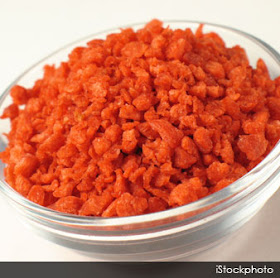
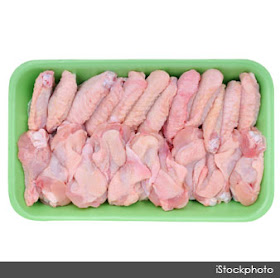
Arsenic - Laced Chicken - 10 American Foods that are Banned in Other CountriesArsenic-based drugs are approved for use in animal feed in the US because they make animals grow quicker and make the meat appear pinker (i.e. “fresher”). The US Food and Drug Administration (FDA) has stated these products are safe because they contain organic arsenic, which is less toxic than the other inorganicform, which is a known carcinogen.

The problem is, scientific reports surfaced stating that the organic arsenic could transform into inorganic arsenic, which has been found in elevated levels in supermarket chickens. The inorganic arsenic also contaminates manure where it can eventually migrate into drinking water and may also be causing heightened arsenic levels in US rice.

In 2011, Pfizer announced it would voluntarily stop marketing its arsenic-based feed additive Roxarsone, but there are still several others on the market. Several environmental groups have filed a lawsuit against the FDA calling for their removal from the market. In the European Union, meanwhile, arsenic-based compounds have never been approved as safe for animal feed.

Where it’s banned: The European Union

#7: Bread with Potassium Bromate

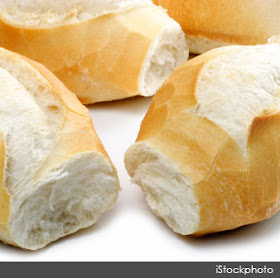
Bread with Potassium Bromate - 10 American Foods that are Banned in Other CountriesYou might not be aware of this, but nearly every time you eat bread in a restaurant or consume a hamburger or hotdog bun you are consuming bromide, as it is commonly used in flours. The use of potassium bromate as an additive to commercial breads and baked goods has been a huge contributor to bromide overload in Western cultures.

Bromated flour is “enriched” with potassium bromate. Commercial baking companies claim it makes the dough more elastic and better able to stand up to bread hooks. However, Pepperidge Farm and other successful companies manage to use only unbromated flour without any of these so-called “structural problems.” Studies have linked potassium bromate to kidney and nervous system damage,thyroid problems, gastrointestinal discomfort, and cancer. The International Agency for Research on Cancer classifies potassium bromate as a possible carcinogen.

Where it’s banned: Canada, China and the EU

#8: Olestra/Olean

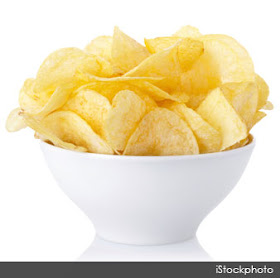
Olestra - Olean - 10 American Foods that are Banned in Other CountriesOlestra, aka Olean, created by Procter & Gamble, is a calorie- and cholesterol-free fat substitute used in fat-free snacks like chips and French fries. Three years ago,Time Magazine3 named it one of the worst 50 inventions ever, but that hasn’t stopped food companies from using it to satisfy people’s mistaken belief that a fat-free snack is a healthier snack. According to the featured article:

“Not only did a 2011 study from Purdue University conclude rats fed potato chips made with Olean gained weight, there have been several reports of adverse intestinal reactions to the fake fat including diarrhea, cramps and leaky bowels. And because it interferes with the absorption of fat soluble vitamins such as A, D, E and K, the FDA requires these vitamins be added to any product made with Olean or olestra.”

Where it’s banned: The UK and Canada

#9: Preservatives BHA and BHT

Preservatives BHA and BHT - 10 American Foods that are Banned in Other CountriesBHA (butylated hydroxyanisole) and BHT (butylated hydroxytoluene) are commonly used preservatives that can be found in breakfast cereal, nut mixes, chewing gum, butter spread, meat, dehydrated potatoes, and beer, just to name a few. BHA is known to cause cancer in rats, and may be a cancer-causing agent in humans as well. In fact, according to the US Department of Health and Human Services, National Toxicology Program’s 2011 Report on Carcinogens, BHA “is reasonably anticipated to be a human carcinogen.” It may also trigger allergic reactions and hyperactivity, while BHT can cause organ system toxicity.

Where it’s banned: The UK doesn’t allow BHA in infant foods. BHA and BHT are also banned in parts of the European Union and Japan.

#10: Milk and Dairy Products Laced with rBGH

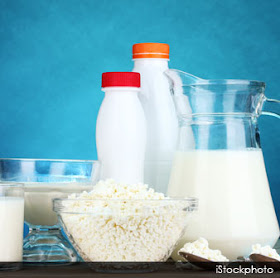
Milk and Dairy Products Laced with rBGH - 10 American Foods that are Banned in Other CountriesRecombinant bovine growth hormone (rBGH) is the largest selling dairy animal drug in America. RBGH is a synthetic version of natural bovine somatotropin (BST), a hormone produced in cows’ pituitary glands. Monsanto developed the recombinant version from genetically engineered E. coli bacteria and markets it under the brand name “Posilac.”

It’s injected into cows to increase milk production, but it is banned in at least 30 other nations because of its dangers to human health, which include an increased risk for colorectal, prostate, and breast cancer by promoting conversion of normal tissue cells into cancerous ones. Non-organic dairy farms frequently have rBGH-injected cows that suffer at least 16 different adverse health conditions, including very high rates of mastitis that contaminate milk with pus and antibiotics.

“According to the American Cancer Society, the increased use of antibiotics to treat this type of rBGH-induced inflammation ‘does promote the development of antibiotic-resistant bacteria, but the extent to which these are transmitted to humans is unclear,’” the featured article states.

Many have tried to inform the public of the risks of using this hormone in dairy cows, but their attempts have been met with overwhelming opposition by the powerful dairy and pharmaceutical industries, and their government liaisons. In 1997, two Fox-affiliate investigative journalists, Jane Akre and Steve Wilson, attempted to air a program exposing the truth about the dangers of rBGH. Lawyers for Monsanto, a major advertiser with the Florida network, sent letters promising “dire consequences” if the story aired.

Despite decades of evidence about the dangers of rBGH, the FDA still maintains it’s safe for human consumption and ignores scientific evidence to the contrary. In 1999, the United Nations Safety Agency ruled unanimously not to endorse or set safety standards for rBGH milk, which has effectively resulted in an international ban on US milk.4 The Cancer Prevention Coalition, trying for years to get the use of rBGH by the dairy industry banned, resubmitted a petition to FDA Commissioner Margaret Hamburg, MD, in January 2010.5 Although the FDA stubbornly sticks to its position that milk from rBGH-treated cows is no different than milk from untreated cows, this is just plain false and is not supported by science. The only way to avoid rBGH is to look for products labeled as “rBGH-free” or “No rBGH.”

Sunday, November 17, 2013

PERIVALDO EX-BOTAFOGO HOMELESS EM LISBOA


Ex-jogador da seleção brasileira vira morador de rua em Lisboa


Perivaldo Lúcio Dantas ficou famoso como Peri da Pituba. Ele fez parte do histórico time de 82, com Falcão, Zico e Sócrates.


Um homem caminha pela rua, se aproxima de latas de lixo e recolhe peças de roupa. Encontra um casaco e veste ali mesmo, no meio da rua. Pouca gente poderia imaginar que esse homem já vestiu a camisa amarela da seleção brasileira.
 

Perivaldo Lúcio Dantas ficou famoso como Peri da Pituba. Ganhou projeção nacional no Bahia, no final da década de 70. Foi lateral direito do Botafogo, passou pelo Palmeiras de Telê Santana, que o convocou para a seleção em 81. Fez parte do histórico time de 82, com Falcão, Zico, Sócrates. Contra a Tchecoslováquia, salvou um gol.
Depois de muitas lesões, Perivaldo desapareceu das notícias. Trinta anos depois, o Fantástico encontrou Perivaldo pelas ruas de Lisboa.
Depois que parou de jogar futebol no Brasil, no Bangu, em meados dos anos 80, pouco se sabe da vida de Perivaldo. Ele diz que foi para a Coreia, na Ásia, e depois veio para Portugal. O Fantástico procurou a Federação Portuguesa de Futebol e a informação oficial é de que não há registro de nenhum jogador brasileiro chamado Perivaldo Lúcio Dantas.
Mas na Feira da Ladra, em Lisboa, é fácil achar Perivaldo vendendo sua mercadoria.“Vamos embora, compadre. Aqui, o que é bom aqui. Se quiser coisa boa, está aqui na banca do Peri da Pituba”, anuncia o ex-jogador.
Perivaldo tinha fama de ser um jogador carismático e, mesmo Feira da Ladra, ele continua extrovertido. “Sete e sete são catorze, três vezes sete é 21. Tenho sete amores no mundo, mas não caso com nenhum. Paranauê, paranauê, Paraná”, brinca ele.
Perivaldo diz que vive da venda de peças de roupa. “Você não viu que os cara me chamou de Grifalvo? Mistura de grife com Perivaldo?”, conta para equipe do Fantástico.
Fantástico: Eu estou vendo que você tem dificuldade de vender algumas coisas. O comércio não está bom aqui na feira...
Perivaldo: Como agora está chegando o inverno, agora, eu preciso arrumar uma nova coleção.
Fantástico: E onde você arranja as coisas para vender aqui?
Perivaldo: Tem as lojas de saldo. Você começa a comprar, investir. Dá para se ganhar um bom dinheiro.
Mais tarde, à noite, encontramos o lugar onde Perivaldo dorme. O Fantástico descobriu que Perivaldo, um ex-jogador do Bangu, do Palmeiras, do Botafogo e da seleção brasileira, hoje é um morador de rua em Lisboa.
Perivaldo lembra dos tempos mais confortáveis, em que tinha artigos de luxo.
Perivaldo: Tive um bom relógio, que era um Rolex, que custou para mim agora uns 70 mil euros. Em joia, eu tinha para mais de 200 mil euros. Foi tudo que o dinheiro foi acabando”.
Fantástico: Aí você foi vendendo, foi vendendo...
Perivaldo: Eu tinha uma casa, uma casa que eu vendi, praticamente vale em dinheiro português uns 300, 400 mil euros.
Fantástico: Aqui em Portugal?
Perivaldo: Não. Tinha lá no Brasil. Era muito dinheiro. As minhas luvas chegaram a 100 mil dólares por dois anos. Não cumpri. Só fiquei lá 8 meses, 9 meses. Me deu vontade de vir embora, larguei tudo. Foi assim a minha atrapalhação. Eu me prejudiquei a mim mesmo.
“Quando eu cheguei na seleção brasileira, Zico e Junior foram um dos meus maiores amigos, que me deram mais apoio”, confessa Perivaldo.
“A gente fica muito chateado. Ele era um cara muito engraçado, que adorava pegar no pé dos companheiros. Tava sempre brincando. A gente só espera que ele possa ter força, como ele tinha quando ele jogava, para poder sair dessa situação”, conta o comentarista Júnior.
Fantástico: Por que você está com essa ideia de voltar para o Brasil? Deixar Portugal?
Perivaldo: Sinto muitas saudades da minha mulher também, da Virgínia, dos meus filhos. Os meus netos sempre estão me cobrando. Meu avô dali, meu avô daqui.
“Temos que abraçar o Perivaldo. É um atleta que teve história no Brasil, está numa terra distante. Se a questão for ele voltar para o Brasil, vamos patrocinar a volta dele”, promete Alfredo Sampaio, vice-presidente da Federação Nacional dos Atletas de Futebol.
Espalhando alegria pelas ruas de Lisboa, Perivaldo espera pela volta ao Brasil.